There’s a specific kind of frustration that hits growing Nigerian businesses right when things start going well. Orders are increasing, a new distributor wants a bigger shipment, an international buyer wants a bulk order, and suddenly the business needs capital it doesn’t have on hand, not because it’s failing, but because it’s succeeding faster than its cash flow can keep up with. That’s the exact moment many business owners get pushed toward the fastest available option, which more often than not is a high-interest loan that solves the immediate problem but may be a financing option the business owner cannot pay back comfortably or at all.
There’s another way to think about this gap, and it starts with understanding what trade finance actually is, and why it doesn’t have to come wrapped in compounding interest.
What trade finance actually solves
Trade finance exists to bridge the timing gap that shows up constantly in business: you need to pay a supplier now, but your customer won’t pay you until weeks or months later, after the goods have been delivered, inspected, or resold. That gap is where businesses either grow smoothly or stall out entirely, and it’s exactly the problem trade finance instruments- letters of credit, invoice financing, warehouse receipt financing- are built to solve.
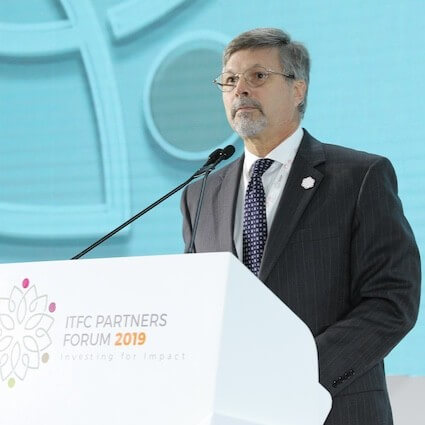
The scale of unmet demand here is enormous. According to data from the International Finance Corporation cited in recent reporting, small and medium-sized enterprises across Africa face a financing gap of over $330 billion. Most of that gap isn’t caused by businesses being unfundable; it’s caused by financing structures that don’t match how those businesses actually operate.
Why interest-based trade debt gets risky fast
A conventional trade loan charges interest on the borrowed amount regardless of how the underlying trade transaction performs. If a shipment is delayed at customs, a buyer pays late, or currency movements erode margins between when goods are ordered and when they’re sold, financing costs may still accrue depending on the terms of the facility. For certain businesses, this works well enough because their cash flow has enough wiggle room to pay the principal and interest, but for businesses operating on already-thin margins, this can be a tight financial space to be in.
Non-interest, partnership-based trade financing works differently. Rather than lending money and charging interest, a non-interest financier typically takes one of two approaches. The financier might take a direct stake in the trade transaction itself, purchasing goods and selling them at a markup to the business in agreed installments payment, or they might enter a genuine partnership, structures like Mudarabah or Musharakah, where the financier and the business share the actual profit from the transaction according to a pre-agreed ratio. With a partnership structure, the ratio is fixed and agreed upfront, not the final amount; the actual payout still depends on how the underlying trade performs, so both sides carry real exposure to the outcome rather than one party collecting a guaranteed sum regardless of performance.
What this looks like for a real business
Say a Nigerian export business has secured a large international order but needs upfront capital to purchase raw materials and cover logistics before payment arrives from the buyer. Depending on the transaction and the agreed contractual structure, a non-interest trade finance arrangement may involve the financing institution purchasing the required materials, facilitating the trade transaction through an agreed cost-plus structure, or using another Shariah-compliant financing arrangement suited to the specific transaction. The business gets the funding it needs to fulfill the order, while the financier’s return is determined by the structure and terms agreed by both parties.
This is the principle behind AltBank’s trade finance solutions, which are designed to support agro-exporters, manufacturers, commodity traders, and SMEs involved in larger trade transactions, commodity movement, and supply chain financing. The specific financing structure, pricing, repayment terms, and contractual obligations depend on the transaction and product selected. For working capital needs or equipment and raw material purchases, AltBiz provides financing options structured around the same non-interest banking principles, with solutions suited to different business needs.
Preparing to apply: what financiers actually want to see
At minimum, financiers typically want to see clear documentation of the specific trade transaction being financed, purchase orders, supplier quotations, buyer contracts or letters of intent, rather than a vague request for general working capital. They’ll also want visibility into your existing cash flow and past trade history, even if it’s limited, because it helps them assess how the specific transaction fits into your broader business pattern.
Having your business properly registered, with a clear corporate structure and financial records that separate business activity from personal finances, matters more than most first-time applicants expect. A business that can produce clean records, even simple ones, signals a level of operational maturity that meaningfully speeds up financing conversations.
A quick scenario worth understanding
Consider a Nigerian textile manufacturer who has landed a large order from a regional buyer but needs to import raw materials before production can begin. Under an interest-based loan, the manufacturer would borrow the full amount needed, with interest accruing from disbursement regardless of how quickly the order gets fulfilled or paid for. Under a structured, non-interest arrangement, a financier might instead purchase the raw materials directly and sell them to the business at an agreed markup, with payment structured around the transaction terms and the financing model.
Beyond loans: grants and blended finance
It’s worth noting that trade finance and loans aren’t for every stage of business, or the only tools available. Grant funding remains another option for eligible businesses, with government, development and private-sector programmes continuing to offer funding opportunities across Nigeria and the wider African market. For example, Nigeria’s 2026 funding landscape includes initiatives such as the NSIA Prize for Innovation and Lagos Agrithon, while climate-focused funds such as the African Development Bank’s Africa Climate Change Fund continue to support climate-resilient and low-carbon projects across the continent.
Businesses may consider a combination of funding options depending on their needs, eligibility and financial circumstances: grants where genuinely available and applicable, equity where it makes strategic sense, and non-interest trade or working capital financing to smooth out the operational cash flow gaps that come with growth.
Getting trade finance right, structurally
Before taking on any trade financing, the questions worth asking are the same ones that matter in any financing decision: is the payment tied to a fixed, transparent cost agreed upfront, or can it grow if timelines slip or currency conditions shift? Does the financier have any genuine stake in the transaction succeeding, or are they simply collecting a return regardless of outcome? Does the financing structure match your business’s actual cash flow rhythm, rather than forcing your business to match a generic payment schedule?
Businesses that ask these questions upfront tend to end up with financing that supports growth rather than quietly working against it a few months later.
If your business is facing the kind of growth-driven cash flow gap that trade finance is built to solve, AltBank’s trade finance and business financing solutions may be a good fit; we are passionate about your growth.