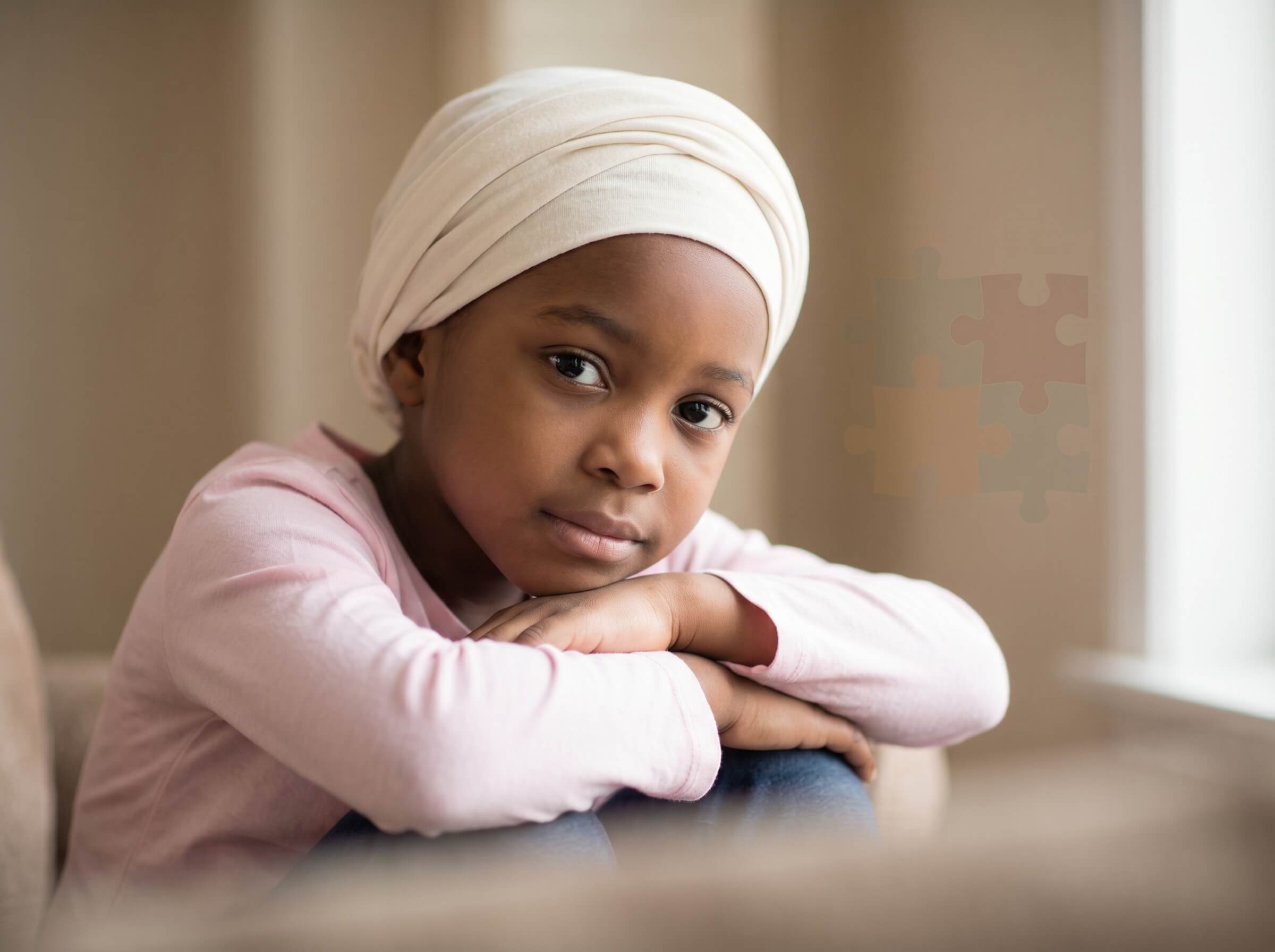
“No play with that pikin again, you no see say him no normal?”
Funmi heard it so many times she could almost recite it in her sleep. The whispers. The stares. The anger whenever David had a meltdown in public.
Sometimes, when David covered his ears and screamed at sounds no one else seemed to notice, people didn’t look at him, they looked at her. As if she had done something wrong. As if she had failed somewhere. Occasionally, they muttered under their breath, “This one no get home training”, “See Mumu mama and mumu pikin.”
In those moments, Funmi didn’t know what to do. Should she carry him? Beat him? Explain? Shout back? Or simply disappear into the ground?
The Culture of Silence and Helplessness
Like many Nigerian parents, when Funmi first noticed that David was different, her instinct wasn’t to speak up, it was to hide. She stopped taking him to children’s parties. She avoided gatherings where the same questions would come again and again, “Why is he not talking? Is he not five already? Madam, you no sabi discipline your pikin.”
She began to move quietly, almost secretly. She visited doctors in private, and consulted spiritual leaders, just trying to understand why her son behaved differently from his older siblings.
Sounds familiar, right?
That’s because Funmi’s story is not rare. There’s Hadiza in Kano, whose child is called abnormal for flapping her hands and hiding behind chairs when the noise gets too loud. There’s Chigozie in Enugu, who has been told his son is “unteachable,” “dull,” and even “olodo” because he struggles to keep up with his classmates. And then there’s Preye in Bayelsa, who knows his child is different, but doesn’t even know where to start or what to do next.
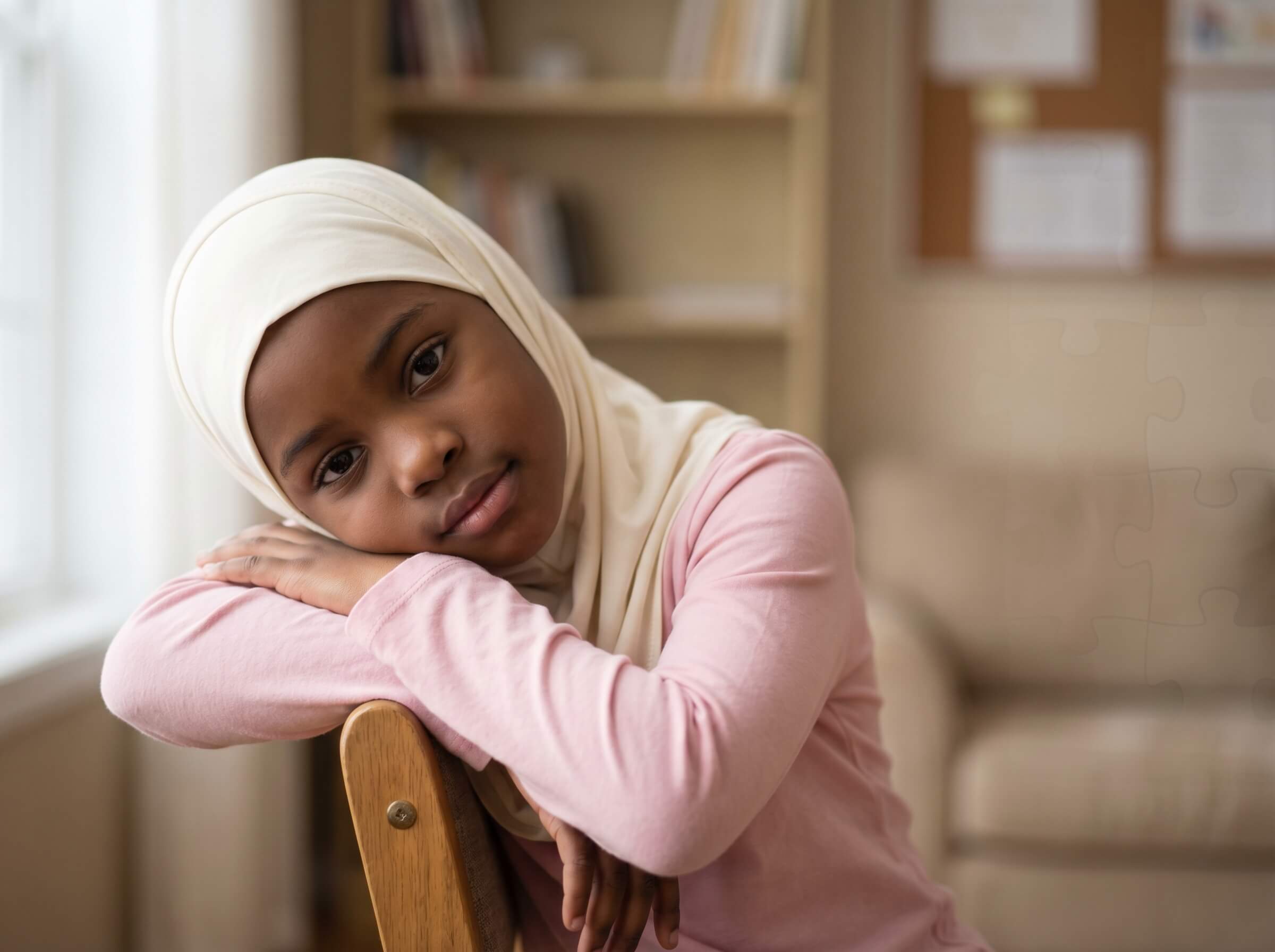
These parents are everywhere, bankers, traders, teachers, entrepreneurs, educated and uneducated. Many are exhausted. Many are quiet because the world around them refuses to understand, and because Nigeria still lacks adequate intervention and support.
Funmi spends countless nights scrolling through her phone, searching, reading, and comparing. Following social media pages, reading personal blogs, joining online support groups. Yet many “Funmis” don’t have access to data, the internet, or even the strength to research what their child is experiencing.
This is the reality for many families navigating the condition known as Autism.
What Exactly Is Autism?
Autism Spectrum Disorder (ASD) is a neurodevelopmental condition, that means it affects how the brain grows and processes the world around it. It’s not a disease you “catch,” nor can it be cured with herbs or spiritual cleansing.
Think of it like a phone’s operating system. If most people are running Android, a child with autism is running iOS. It’s not that the phone is spoiled, it just uses a different code to process the world.
Globally, about 1 in every 127 people has autism, according to the World Health Organization. In Nigeria, prevalence estimates vary depending on how and where the research is done, but most studies suggest that about 0.8%-1.2% of children may be on the autism spectrum. That’s likely hundreds of thousands of families navigating life without sufficient support or understanding.
The word ‘spectrum’ often confuses people. It’s not a line of ‘more autism’ or ‘less autism.’ It simply means autism shows up differently in every person. Some children struggle with speech or social interaction, others with anxiety or sensory sensitivities. What this means is simple: If you have met one person with autism, you have met just one person with autism; they are not the same because autism presents itself in different forms.
Signs to Watch Out For
Wondering what to look out for? If you start noticing several of these patterns together, it might be time to speak with a doctor or developmental specialist.
Some children may not respond when you call their name, prefer to play alone, or rarely show interest in things that usually excite other children.
In terms of communication, a child may not babble by 12 months, may not say single words by around 16 months, or may repeat words and phrases without really using them to communicate (this is known as echolalia).
You might also notice certain behavioral patterns. For example, a child may line up toys in the same way every time, become very upset when routines change, or react strongly to sounds, lights, or textures that others seem comfortable with.
Now, having one or two of these signs doesn’t automatically mean autism. But when you start to see several of them consistently, it’s worth paying closer attention and seeking professional guidance early.
The Nigerian Reality
Understanding autism is one thing. Navigating how to get help in Nigeria? That’s a whole other challenge.
- Diagnosis Gap: There are very few developmental pediatricians here. Parents often hear, “He will talk when he’s ready,” thereby missing a critical early-intervention window.
- Financial Barriers: Specialized therapies such as Applied Behavior Analysis (ABA) or occupational therapy cost a fortune. Many families simply can’t afford them.
- School Struggles: Some private schools take your fees and then ask you to “come and take your child” after a few weeks because they can’t manage him.
- Policy Gaps: Nigeria has a National Disability Act, but neurodiversity is often overlooked in these policies. Autism screenings aren’t mandatory, and therapies aren’t included in public health coverage.
From Awareness to Acceptance to Action
Awareness is just the first step. It’s Mama Theresa knowing that David has a condition called autism. Acceptance is Mama Theresa saying, “David is differently abled; he has a condition known as autism. When he covers his ears, it means the noise is too much. Just leave him to rest, you can play with him later.”
Autism deserves to be a conversation we have at home, in our communities, schools, and yes, even at work. Every child in Nigeria with autism deserves a better life and a promising future, a story, and a voice, even if that voice doesn’t sound like the one we expect.
Then there is a need for proactive action, not reactive. And this is where things can really change. Action can look like:
- Training parents, caregivers, and teachers to recognize early signs and access interventions.
- Supporting policies and programs that fund therapies and provide affordable support for families.
- Engaging communities in open, judgment-free conversations to break stigma and build understanding.
The Alternative Bank is choosing to be a part of this conversation, because silence is no longer an option.
The Alternative Bank is choosing to be a part of this conversation, because silence is no longer an option. Through our “It’s How You Show Up” initiative, we are moving beyond mere awareness to deliver real, structural support; training hundreds of caregivers, providing vital screenings for children, and convening policymakers to drive systemic reform. However, building a truly inclusive society requires more than just an institutional effort; it requires a collective one. We invite you to join us, share your perspective, and help us shape the policies that will define a fairer future for every neurodivergent Nigerian. After all, how we show up today determines the world we all live in tomorrow.